
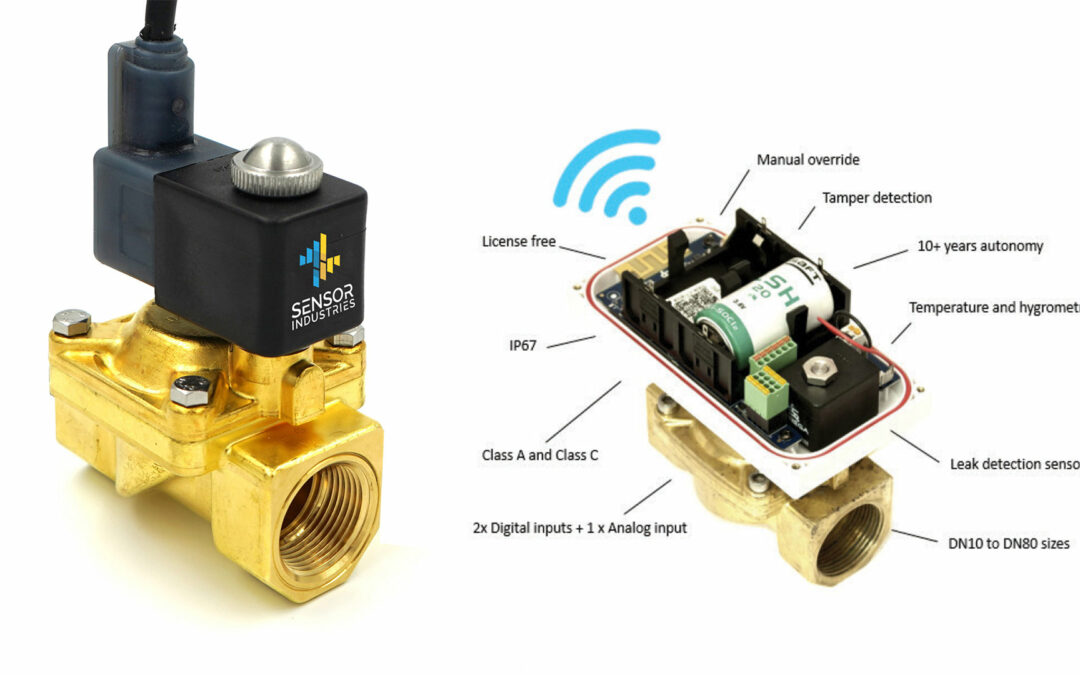
Water damage rarely starts as a dramatic event. It usually begins quietly, with a running toilet, a failed supply line, or continuous flow that goes unnoticed until damage spreads and costs escalate.
Water damage remains one of the most expensive and disruptive risks facing property owners today. Leaks do not need to be catastrophic to cause serious harm. A failed supply line, a running toilet, or a ruptured pipe after hours can result in thousands of dollars in damage before anyone notices. Traditional leak detection alerts help, but alerts alone do not stop water. That gap is why smart shut-off valves are becoming a critical layer of protection for modern properties.
A smart shut-off valve does exactly what the name implies. It automatically stops water flow when abnormal usage or a confirmed leak is detected. Instead of relying on staff to respond in time, the system acts immediately to limit damage and reduce exposure.
The Problem with Alerts Without Action
Most property owners already understand the value of leak detection. Sensors identify moisture, abnormal flow, or pressure changes and send alerts to maintenance teams. The challenge is response time.
Leaks often occur overnight, during weekends, or when maintenance teams are stretched thin. Even a fast alert can still mean hours of water flowing before someone can reach the unit or mechanical room. In multifamily, hospitality, senior living, and commercial buildings, that delay can impact multiple units, disrupt residents or guests, and trigger insurance claims.
Smart shut-off valves close that gap. They turn detection into prevention.
How Smart Shut-Off Valves Work
A shut-off valve is installed on the main water supply or at designated zones within a building. When paired with flow monitoring and leak detection, the system continuously evaluates water usage patterns. If the system detects conditions consistent with a leak, such as continuous flow, burst patterns, or abnormal spikes, the valve automatically closes.
This process happens in seconds, not hours.
Advanced systems allow operators to define sensitivity thresholds, zone controls, and escalation rules. That flexibility ensures the valve responds appropriately without unnecessary shutdowns.
Where Shut-Off Valves Deliver the Most Value
Smart shut-off valves are especially valuable in properties where water damage risk is high and response time is critical.
Multifamily housing benefits from preventing leaks that can cascade across floors and units. Hotels and resorts protect guest rooms, back-of-house areas, and revenue-producing spaces. Senior living and healthcare environments reduce safety risks while protecting infrastructure. Commercial and mixed-use buildings gain centralized control across complex plumbing systems.
In each case, the goal is the same. Stop water before damage spreads.
Insurance, Claims, and Long-Term Cost Control
Insurance carriers are paying closer attention to water risk. Repeated claims drive higher premiums, higher deductibles, and in some cases non-renewals. A single large loss can impact a property’s insurance profile for years.
Shut-off valves materially reduce claim severity. Instead of extensive remediation, mold mitigation, and displaced occupants, damage is often limited to the source of the leak. Many insurers recognize this reduction in risk and are increasingly supportive of proactive water management strategies.
For owners, this translates into fewer claims, more predictable operating costs, and stronger long-term asset performance.
Operational Benefits Beyond Risk Reduction
The value of shut-off valves extends beyond emergency response. Flow data helps teams identify inefficiencies, failing fixtures, and abnormal consumption trends. Maintenance teams gain clearer visibility into where issues originate, which reduces diagnostic time and repeat repairs.
For portfolio owners, centralized dashboards provide consistency across properties. Standardized response protocols improve accountability and reduce reliance on on-site availability alone.
Why Integration Matters
A shut-off valve is most effective when it is part of an integrated water management platform. Detection, flow analytics, automated shut-off, and proactive support work together to create real protection.
This is where Sensor Industries stands apart. The shut-off valve solution is not a standalone device. It is integrated with real-time monitoring, configurable sensitivity settings, and human-backed support that helps teams respond intelligently, not reactively.
Rather than simply closing valves and sending alerts, the system is designed to reduce false positives, support informed decisions, and protect operations without unnecessary disruption.
The Bottom Line
Water damage is not just a maintenance issue. It is a financial, operational, and reputational risk. Smart shut-off valves shift the equation from reaction to prevention.
By automatically stopping water when leaks occur, property owners reduce damage, lower insurance exposure, protect residents and guests, and preserve NOI. As water risk continues to rise, shut-off valves are quickly moving from optional upgrades to essential infrastructure.
If you are already investing in leak detection, the next step is clear. Detection tells you there is a problem. Shut-off valves stop it from becoming a crisis.
FAQs
What is a smart shut-off valve
A smart shut-off valve is installed on a building’s water supply and can automatically close when abnormal flow or leak conditions are detected, stopping water before damage spreads.
How does a shut-off valve know when to close
The system analyzes real time water usage patterns. Continuous flow, burst signatures, or usage that does not match normal behavior can trigger an automatic shut-off.
Where are shut-off valves typically installed
Most properties install valves on the main water supply. Larger buildings may also use zoned shut-offs to isolate specific areas while keeping the rest of the property operational.
Do shut-off valves cause unnecessary water outages
Systems with configurable sensitivity and flow analytics are designed to minimize false shut-offs. Proper calibration ensures valves close only when abnormal conditions are present.
How do shut-off valves affect insurance and claims
By limiting how long water flows during an incident, shut-off valves reduce claim severity. This can help stabilize insurance costs and reduce long-term risk exposure.
What is the best next step to evaluate Sensor Industries
Book a meeting. We will review your property type, current water risk, and operational goals, then outline how monitoring, alerts, and automated shut-offs can help reduce damage and protect NOI.
Key takeaways
- Water damage often escalates because water is not stopped quickly.
- Leak detection alerts alone still rely on staff response time.
- Smart shut-off valves stop water automatically when abnormal conditions occur.
- Faster shut-off limits damage, reduces claims, and protects NOI.
- Shut-off valves are most effective when paired with continuous monitoring.
- Automation turns water risk management from reactive to preventative.
Ready to stop water before damage spreads
About Sensor Industries: We provide real time water monitoring and automated protection for multifamily, student housing, senior living, hospitality, and other multi unit properties, helping teams reduce waste, prevent damage, and protect NOI.