

For student housing operators, summer break is often treated as a short window to reset the property before the next wave of residents arrives. Units are turned, maintenance teams move quickly through work orders, common areas are refreshed, and operational priorities shift toward being ready for move-in day.
It is also one of the best times of year to address water waste.
Student housing has a unique operating rhythm. During the academic year, buildings are heavily occupied, usage patterns are inconsistent, and maintenance teams are often reacting to resident needs in real time. A running toilet, dripping fixture, irrigation issue, or abnormal usage pattern may go unnoticed for days or weeks, especially if the resident does not report it or if the problem is hidden inside a unit, mechanical space, laundry room, or common area.
By the time the water bill reflects the issue, the opportunity to prevent that waste has already passed.
Summer break gives student housing teams something they rarely have during the school year: better access, lower disruption, and time to prepare the building before demand increases again. With fewer residents on site, operators can install water monitoring technology more efficiently, identify hidden issues, and create a clearer baseline before occupancy returns to peak levels.
That timing matters.
Once students move back in, water usage naturally becomes more difficult to interpret. Higher occupancy increases demand across showers, toilets, sinks, laundry rooms, kitchens, irrigation systems, and shared amenities. Without better visibility, it can be difficult to know whether a spike in usage is expected, tied to move-in activity, or caused by a preventable problem. The result is often delayed awareness, unnecessary expense, and more pressure on maintenance teams already managing a busy season.
Installing sensors during the summer helps shift water management from reactive to proactive. Instead of waiting for a utility bill to reveal that something changed, operators can begin identifying abnormal usage, continuous flow, and potential leaks closer to when they happen. That gives property teams a better chance to intervene quickly, reduce waste, and avoid letting small problems become expensive ones.
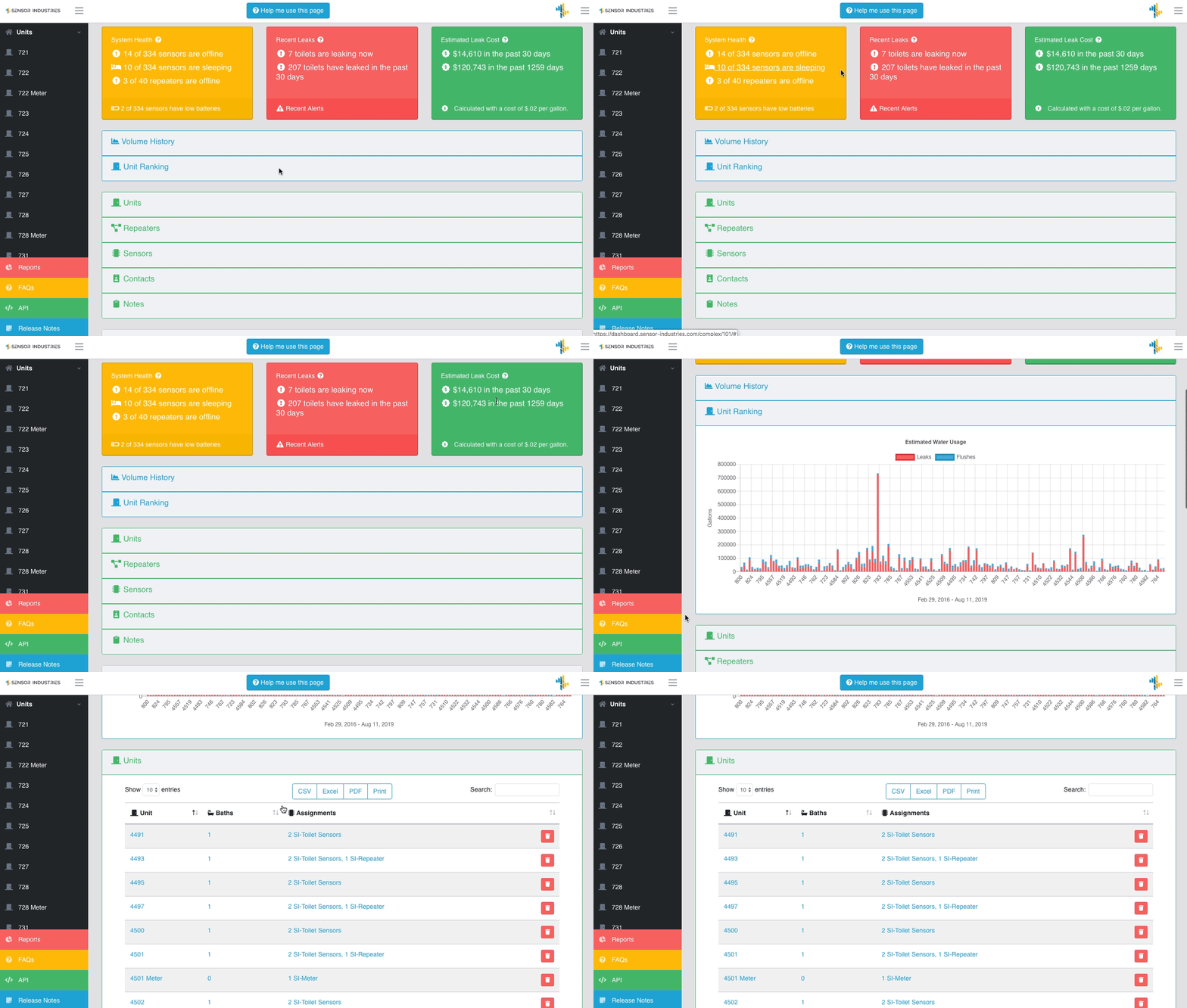
For ownership groups, asset managers, and property management teams, the benefit is not limited to maintenance efficiency. Water is a controllable operating expense, but only when teams have the visibility needed to understand what is driving usage. Sensor data can help connect building activity to financial impact, making it easier to explain changes, support budgeting decisions, and identify where savings opportunities may exist across a portfolio.
The summer window also creates an opportunity to enter the new academic year with more confidence. Teams can address obvious problems before move-in, monitor usage as occupancy ramps back up, and establish a stronger operational foundation before the property reaches its busiest months. That preparation can reduce surprises, improve reporting, and help maintenance staff focus their time where it matters most.
Student housing will always have complex water behavior because the resident population changes, daily routines vary, and usage can spike quickly. That makes visibility especially important. The goal is not simply to collect more data, but to give operators practical information they can use to protect the property, reduce waste, and control costs.
Summer break does not last long, but it is one of the few times student housing teams can make meaningful improvements with less disruption. For properties looking to reduce water waste before students return, this is the right moment to act.
Sensor Industries helps student housing operators identify abnormal water usage, potential leaks, and continuous flow events so teams can respond faster and manage water more effectively. Installing sensors during summer break can help turn a seasonal maintenance window into a long-term operating advantage.