
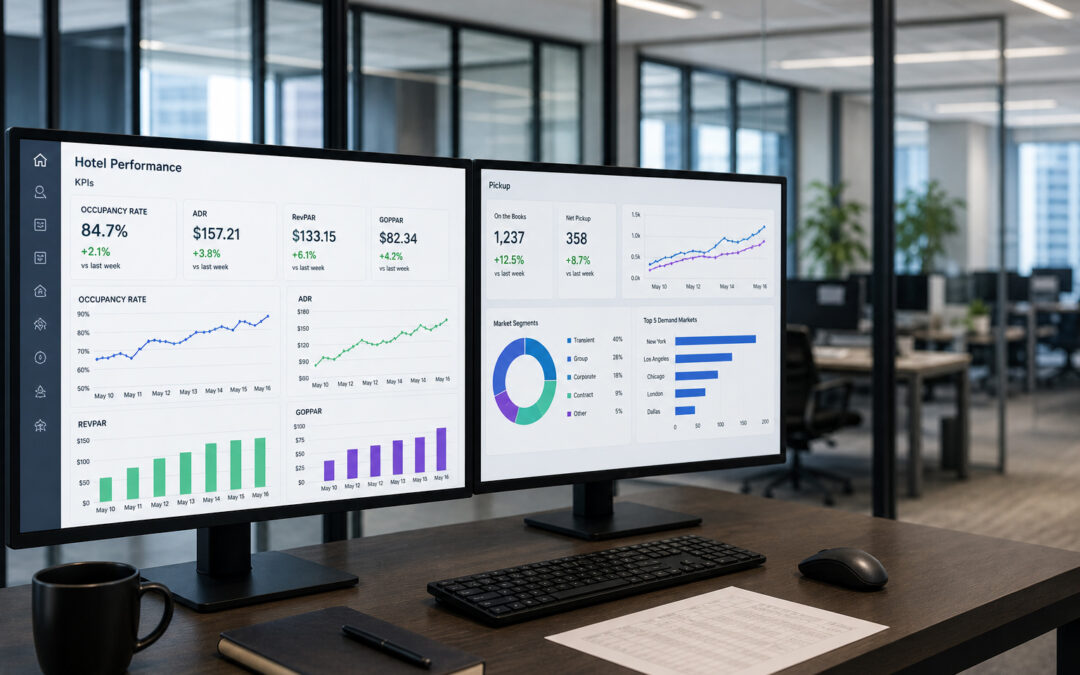
Hotels are built around measurement.
Occupancy, average daily rate, revenue per available room, and GOPPAR (Gross Operating Profit Per Available Room) are tracked with precision. Performance is reviewed regularly, and operational decisions are made based on clearly defined metrics.
Within that structure, water is present everywhere, yet rarely examined directly.
It is absorbed into broader categories. Laundry, housekeeping, kitchens, and guest rooms all contribute to usage, and the cost is typically embedded within overall operating expenses, which limits visibility compared to other performance drivers.
This creates a blind spot.
Water is one of the few utilities that scales directly with occupancy while also having the ability to run continuously in the background. Every occupied room becomes an active water system, capable of drawing usage at any time, regardless of efficiency.
In practice, small inefficiencies can compound quickly. A single fixture that uses slightly more water than expected may not be noticeable in isolation, and across dozens or hundreds of rooms, the impact becomes measurable. Because these conditions do not affect the guest experience in an obvious way, they often persist without intervention.
In one mid-sized hotel, a review of system behavior revealed that a portion of rooms were experiencing continuous flow conditions tied to minor fixture wear. There were no guest complaints and no visible signs of malfunction and from an operational standpoint, everything appeared normal.
Over time, these conditions contributed to a steady increase in water usage that could not be explained by occupancy alone – this is where traditional metrics begin to show their limitations.
When water is embedded within larger financial categories, isolating performance becomes difficult. Variations in usage are often attributed to seasonality, occupancy shifts, or general operating changes, even when specific inefficiencies are present. And without direct visibility, there is no clear way to distinguish between expected consumption and avoidable waste.
Water does not need to remain hidden inside broader metrics – once it is visible, it becomes part of the same performance conversation.
Bring water performance into focus alongside your other metrics. Meet with a Sensor Industries expert on Hotels and start saving today.