
Water damage rarely starts with a dramatic failure. No burst pipe. No flooded hallway. No emergency call at 2 a.m. And in many cases, it starts with something that looks completely normal.
A toilet that runs a little longer than it should. A supply line that never fully shuts off. A fixture that continues to draw water without anyone noticing. Individually, these issues may not raise concern. Collectively, they create real exposure.
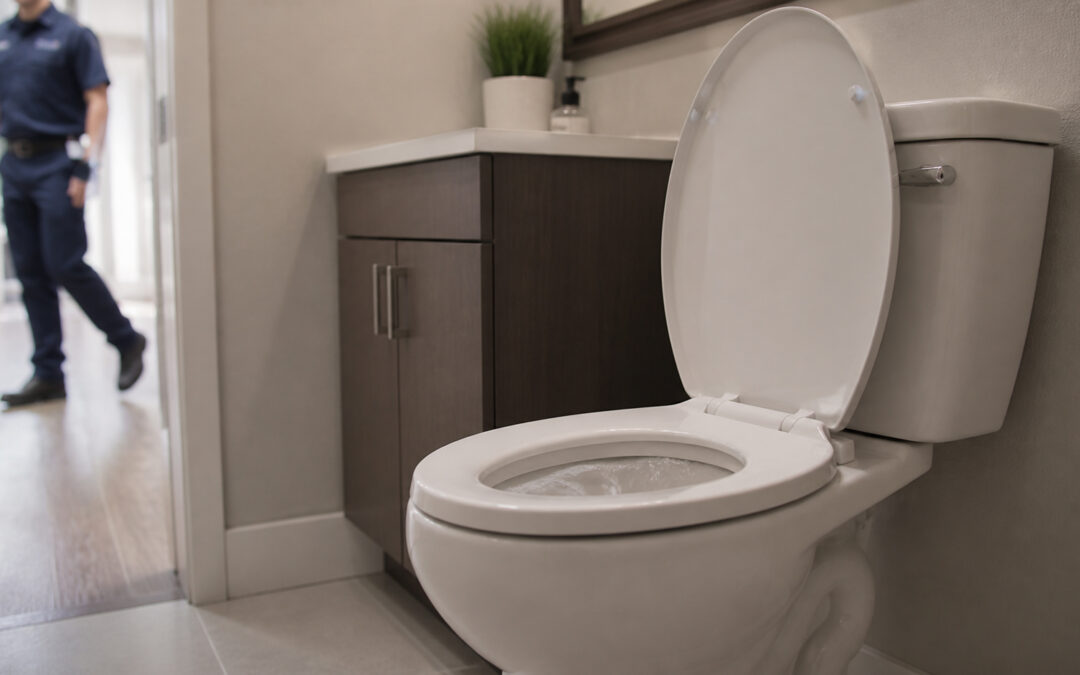
In one multifamily building, a single toilet began to run continuously after a minor internal component failed. Nothing broke externally. There was no visible leak, no water pooling, and no damage to walls or flooring.
Maintenance walked past it. Residents adapted to the sound. Operations continued as usual.
But the system never stopped running.
At an estimated 150 to 200 gallons per day, that single fixture quietly added thousands of gallons of unnecessary usage each month. Over time, that translated into a significant increase in water spend.
Now multiply that across multiple units, multiple buildings, or an extended period of time.
The cost is no longer minor.
Most buildings are set up to respond to visible problems. Teams are trained to act quickly when something breaks. Emergency protocols are clear. Response times are prioritized.
But continuous water systems behave differently. They operate in the background. Toilets, supply lines, irrigation systems, and other always-active infrastructure are under constant pressure and capable of flowing at any time. When something begins to fail, it does not always create an immediate signal. Instead, it creates a slow, consistent deviation from normal behavior.
Without visibility into that behavior, the issue remains hidden. Property teams often rely on water bills as a signal of performance when the real problem is timing. By the time a billing cycle reflects abnormal usage, the issue has already existed for weeks, and in many cases, months. At that point, the question is no longer whether water has been wasted. It is how much.
The most expensive water problems often look ordinary for far too long. By the time they are visible, the cost has already started to accumulate.
If you’re evaluating how water is being used across your property, start by making it visible.
Book a demo and start saving today.