
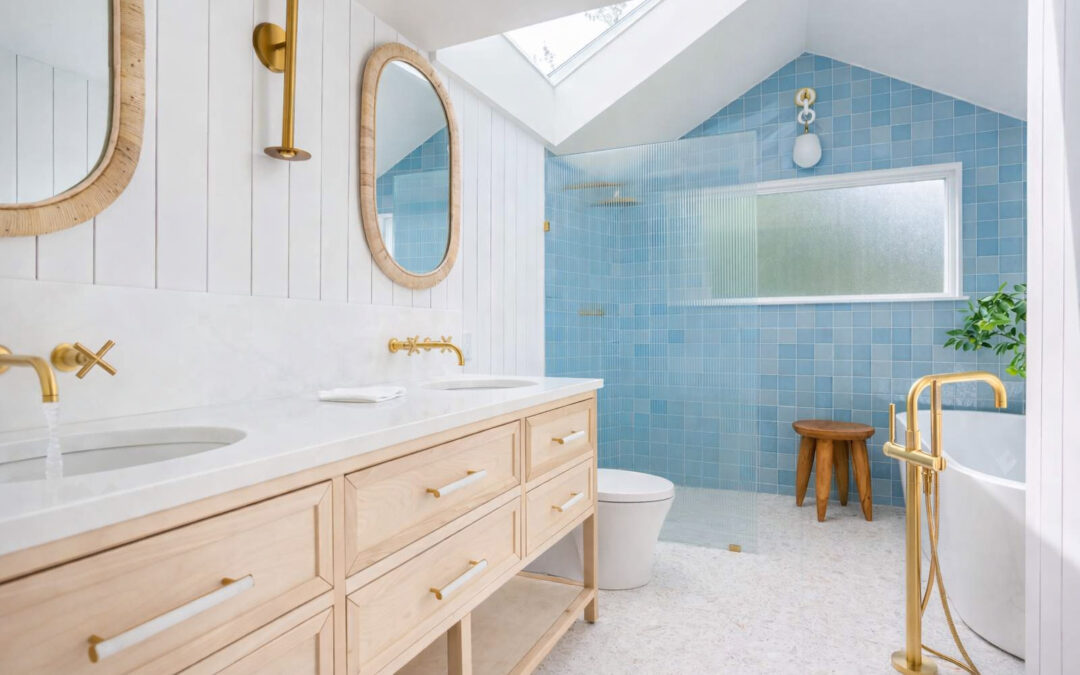
Last week we asked a simple question to users on Linkedin: which building system uses the most water in a typical hotel or multi-unit property?
The options were laundry, kitchen, landscaping, and bathrooms.
The answer is surprising to some people at first.
Bathrooms Drive Daily Consumption
In most properties, bathrooms account for the largest share of water use. Showers, toilets, and sinks are used multiple times per day by every occupant. That frequency adds up quickly.
A single shower can use 15 to 25 gallons depending on duration and fixture efficiency. Toilets can use 1.28 to 3.5 gallons per flush. Faucets, even when used briefly, contribute steady demand throughout the day.
Multiply that across dozens or hundreds of units, and bathrooms become the dominant source of water consumption.
Laundry and kitchens are important, but they are more episodic. Landscaping is often seasonal. Bathrooms operate continuously.
Small Leaks, Big Impact
Bathrooms also carry the highest hidden risk.
A leaking toilet flapper can waste hundreds of gallons per day without being noticed. A slow drip from a sink or a worn shower valve may seem minor, but over time it becomes a measurable expense.
Unlike a visible pipe break, these issues often go undetected because they blend into normal usage patterns.
That makes bathrooms not only the largest consumer of water, but also one of the biggest sources of silent waste.
Why This Matters for NOI
Water is a controllable expense. When bathrooms are not operating efficiently, that expense increases without improving the resident or guest experience.
Higher water and sewer bills reduce margins. Undetected leaks increase maintenance costs. In some cases, minor issues escalate into larger repairs if they are not addressed early.
Focusing on bathroom performance gives operators a clear path to protect NOI. It targets both usage and waste at the same time.
Where Sensors Change the Equation
This is where technology starts to make a real difference.
Installing water sensors in and around bathroom fixtures creates visibility where there usually is none. Instead of waiting for a spike in a utility bill or a maintenance complaint, operators can see abnormal usage as it happens.
A running toilet, a slow leak under a sink, or an issue behind a wall can be detected early. Alerts can be sent in real time, allowing teams to respond before water loss compounds or damage spreads.
In many cases, this turns what would have been a costly repair into a quick, low-cost fix. It also removes the guesswork from managing water across a large property.
A Smarter Approach to Conservation
Many conservation efforts focus on behavior. Asking residents or guests to use less water can help, but it is not always reliable.
A more effective approach is making sure water is used correctly in the first place.
Bathrooms sit at the center of that opportunity. They represent the highest usage, the highest frequency, and often the highest risk.
When operators start there, and pair it with the right level of monitoring, they are addressing the largest piece of the puzzle while gaining control over what was previously invisible.